


Videotapes, including VHS tapes, have been a staple in capturing and preserving memories for decades. However, their physical nature makes them susceptible to environmental conditions, leading to degradation over time. The quality of these tapes can degrade differently when exposed to humid versus dry climates. This article explores the impact of these environmental factors, focusing on humidity-damaged tapes, dry climate tape brittleness, and temperature-related tape decay. By understanding these factors, you can make informed decisions on how to preserve your precious memories, like choosing to transfer them from VHS to DVD to better preserve them.
Humidity Can Cause Serious VHS Tape Damage
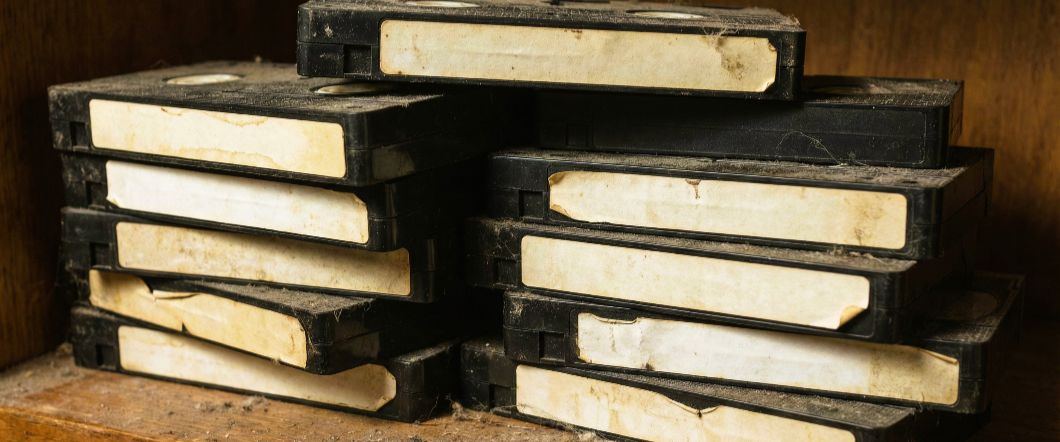
High humidity is a common cause of VHS tape damage. Moisture can slowly affect the tape binder, magnetic layer, and cassette housing, especially when tapes are stored in garages, sheds, or non-climate-controlled storage units.
Over time, excess moisture may create playback issues, distortion, sticking, or visible surface contamination. Once humidity damage becomes severe, recovery can become more difficult. Common signs of humidity-damaged tapes include:
- Sticky Tape Movement: Moisture may cause the tape to drag during playback.
- Cloudy Or Speckled Surfaces: Visible spotting can point to mold growth.
- Warped Cassette Parts: Humidity can affect plastic cassette components over time.
- Playback Distortion: Audio or video quality may fluctuate during viewing.
Moisture-Driven Tape Mold Can Spread Quickly
Moisture-driven tape mold develops when tapes sit in damp environments for long periods. Mold spores thrive in warm, humid spaces and can spread from one tape to another if left untreated.
This type of contamination may appear as white, gray, or speckled residue inside the cassette shell or along the tape itself. Mold can interfere with playback and may damage VCR equipment if the tape is played without proper inspection. If mold is suspected, avoid inserting the tape into a player until it has been professionally evaluated.
Dry Climates Can Make Tapes Brittle
Dry environments create different problems. Instead of moisture damage, tapes exposed to low humidity may lose flexibility and become fragile over time. Dry climate tape brittleness is especially common in desert regions, hot storage spaces, and indoor areas with prolonged dry air exposure. Brittle tapes are more likely to snap, crease, or suffer edge damage during playback.
Dry climate damage may include:
- Cracking Or Splitting: Older tapes may become fragile and prone to breakage.
- Tape Curling: Low humidity can affect tape tension and shape.
- Static Buildup: Dry air may increase dust attraction inside the cassette.
- Edge Wear: Brittle tape edges can fray during playback or rewinding.
Temperature Changes Accelerate Tape Decay
Temperature-related tape decay often becomes worse when heat and humidity combine. Frequent temperature swings can stress both the tape material and the cassette housing.
Attics, garages, storage units, and vehicles are especially risky because temperatures may fluctuate dramatically throughout the year. Heat can also accelerate chemical breakdown within older tapes. Common temperature-related damage includes:
- Warping: Uneven expansion may affect tape alignment.
- Binder Breakdown: Heat can weaken the material holding magnetic particles in place.
- Magnetic Signal Loss: Extreme temperatures may affect recorded image and sound quality.
- Mechanical Stress: Repeated expansion and contraction can strain internal components.
VHS Degradation Often Starts Before You Notice It
Many forms of VHS degradation begin gradually. A tape may still play even while hidden deterioration is already developing inside the cassette.
Early warning signs can include occasional tracking issues, muffled audio, image flickering, or increased playback resistance. These problems may seem minor at first, but can worsen quickly if tapes continue to age in poor storage conditions. Waiting too long can reduce the chances of a clean transfer later, especially if mold, brittleness, or binder damage continues spreading.
Storage Conditions Play A Major Role In Tape Lifespan
Storage conditions often determine whether tapes remain stable for decades or deteriorate much sooner. Climate-controlled storage gives magnetic media the best chance of long-term survival. Helpful storage practices include:
- Stable Temperatures: Avoid areas with frequent heat fluctuations.
- Moderate Humidity Levels: Excess moisture and extremely dry air can both cause problems.
- Vertical Tape Storage: Store tapes upright to reduce pressure on the reels.
- Protective Cases: Keep tapes inside proper storage cases to reduce dust exposure.
- Clean Storage Areas: Avoid damp basements, garages, and outdoor sheds.
Videotape Repair May Help Recover Damaged Media
Professional videotape repair may help stabilize tapes affected by mold, brittleness, broken housings, or playback issues. Repair work often focuses on safely preparing the tape for transfer before further deterioration occurs.
Some tapes require cleaning, shell replacement, splice repair, or manual reel adjustments before playback becomes possible. Attempting repairs without the right equipment can sometimes cause additional damage, especially with brittle or contaminated tapes.
Videotape Transfer Helps Preserve Aging Recordings
A professional videotape transfer converts aging analog recordings into stable digital files before environmental damage worsens. This process helps preserve family memories while reducing the risks tied to continued tape playback.
Digitized files are easier to view, duplicate, organize, and share with family members. They also avoid many of the storage risks associated with aging magnetic tape. A professional video transfer service may include:
- Tape Inspection: Checking for visible damage before playback.
- Cleaning Procedures: Removing dust or light contamination when possible.
- Playback Optimization: Adjusting tracking and signal settings for cleaner transfers.
- Digital Format Options: Saving recordings to USB drives, DVDs, or digital files.
Protect Your Home Videos Before Climate Damage Gets Worse
At DVD Your Memories, we’re committed to preserving your cherished moments with our professional videotape services. Whether you’re in Southern California or taking advantage of our mail-in services, our team is ready to assist with digital transfers and repairs. Don’t wait until it’s too late. Contact us today to protect your memories from environmental damage and ensure they last for generations.