



Moldy VHS tapes require careful handling before transfer, as contamination can damage the tape, spread to other media, or affect playback equipment. If you see white stuff on VHS tape reels, notice a musty smell, or find tapes stored in a damp garage, closet, attic, or storage unit, don’t rush to play them. A contaminated tape can shed debris inside a VCR and make transferring your VHS to DVD or digital that much harder.
With the right steps, many tapes can still be evaluated, cleaned, and digitized. The safest approach starts with containment, gentle handling, and a professional review before playback.
White Stuff On VHS Tape Is A Serious Warning Sign
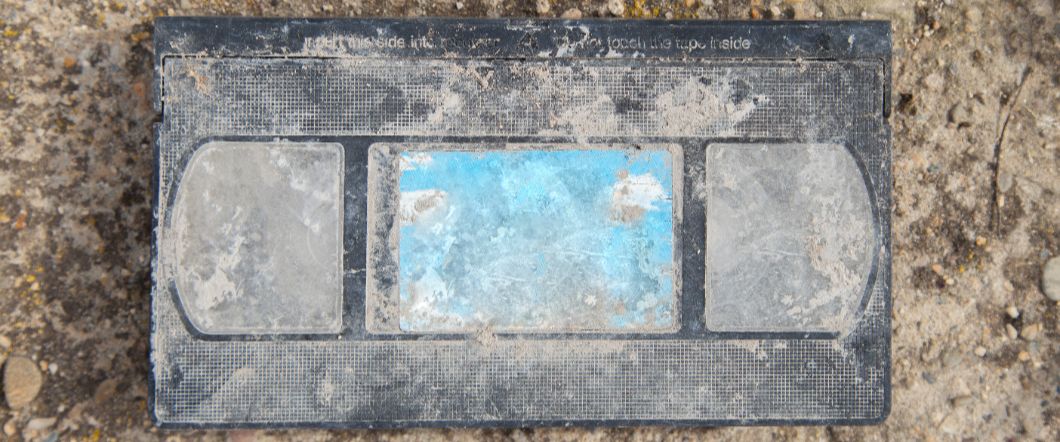
White spots, powdery residue, or fuzzy buildup on the tape reel may point to mold. You may see it through the cassette window, along the tape pack, or near the edges of the reel.
Not every mark means the tape is ruined. Dust, residue, and tape wear can also look unusual. Still, visible growth deserves caution. Playing the tape before inspection can pull contamination across the tape path and into the VCR. A tape may also smell musty even when the mold is hard to see. Treat the smell as a warning, especially if the tape came from a humid or poorly ventilated area.
Why Moldy VHS Tapes Should Stay Out Of Your VCR
A contaminated tape can harm both the recording and the machine used to play it. When a VCR pulls the tape across the heads, mold and debris can spread inside the deck.
That can create playback problems, poor image quality, audio issues, or further contamination. A VCR cleaning tape may help with routine head maintenance, but it won’t solve a moldy tape problem. It also won’t clean contamination from the cassette itself.
If the tape contains important family footage, event video, or local history material, avoid test-playing it at home. A quick check can cause more damage than you expect.
How To Isolate Contaminated VHS Tapes
Separate moldy or questionable tapes from the rest of your collection as soon as you notice a problem. Don’t stack them with clean tapes, and don’t place them near film reels, audio cassettes, photos, or documents. Use simple containment until you can get the tape reviewed:
- Keep It Sealed: Place the VHS in a clean plastic bag to reduce cross-contamination.
- Label The Bag: Note “possible mold” so no one plays the tape by mistake.
- Store It Cool & Dry: Keep the tape away from heat, moisture, and direct sunlight.
- Separate Clean Media: Move unaffected tapes to a different box or shelf.
- Avoid Shaking The Tape: Rough handling can loosen debris inside the cassette.
Don’t Use Household Cleaners On VHS Tape
Cleaning VHS tapes is not the same as wiping down a plastic case. The magnetic tape inside the cassette is fragile. Household cleaners, alcohol, water, paper towels, and compressed air can cause damage if used incorrectly.
The tape surface holds the recorded information. Scratches, moisture, residue, or uneven pressure can affect playback and reduce transfer quality. Even a small cleaning mistake can create lines, dropouts, or broken tape.
A videotape cleaner or electronic tape cleaner may sound like a simple fix, but the wrong tool can do more harm than good. Mold removal requires controlled handling because the entire tape path may need attention, not just the outer shell.
What A VCR Cleaning Tape Can & Can’t Do
A VCR cleaning tape is designed to help clean the VCR heads, not remove mold from a contaminated cassette. It may help maintain a playback deck after normal use, but it shouldn’t replace proper VHS mold removal.
If you’ve already played a moldy tape, stop using the VCR until it has been checked or cleaned. For valuable tapes, the safer move is to have the media inspected before any additional playback.
When VHS Sealed Storage Helps
VHS sealed storage can help contain a contaminated tape while you wait for professional review. It doesn’t remove the mold, and it doesn’t make the tape safe to play. It simply helps reduce exposure and keeps the tape separated from clean media.
This step matters most when you have multiple tapes in a box. A contaminated cassette can affect nearby items if moisture and debris continue spreading. Use sealed storage as a temporary protection step, not a long-term solution. A moldy tape still needs proper evaluation before transfer.
Why Professional VHS Mold Removal Is Often Safer
Professional VHS mold removal uses controlled handling to reduce risk before playback. The process may involve specialized equipment, careful tape movement, and cleaning methods designed for magnetic media.
DIY cleaning may seem tempting, especially if the tape looks only lightly affected. The risk is that mold may extend deeper into the reel than you can see through the cassette window. You may also transfer debris into your VCR before you realize the tape has a larger problem.
For one-of-a-kind recordings, professional cleaning gives the tape a better chance of reaching the transfer stage safely.
What Professionals Check Before Transfer
A professional transfer team can inspect the cassette, tape pack, shell condition, and signs of contamination before deciding how to proceed. Some tapes need cleaning before playback. Others may be too fragile for a standard transfer workflow.
DVD Your Memories helps you evaluate older tapes before video transfer. This can help protect your footage and reduce the risk of damage during digitizing. Our careful review may include:
- Mold Location: Contamination on the outer reel may require a different approach than residue deep in the tape pack.
- Tape Condition: Warping, wrinkles, brittleness, or broken sections can affect whether the tape can move safely.
- Cassette Shell: Cracked plastic or stuck reels may need attention before playback.
- Storage History: Tapes from damp garages, storage units, or flood-prone areas may need extra caution.
- Transfer Risk: Severe contamination may limit what can be safely recovered.
Clean Handling Gives Old Tapes A Better Chance
Moldy VHS tapes need calm, careful handling before transfer. If you see white stuff on VHS tape reels, smell mildew, or suspect contamination, isolate the tape and avoid playback. A professional review can help determine whether cleaning, repair, or special handling makes sense before digitizing.
If you have moldy VHS tapes, contaminated camcorder tapes, or old recordings that need careful transfer, get in touch with DVD Your Memories for professional help at one of our Southern California locations. You can also use the mail-in service to start your project from anywhere.