


VHS, VHS-C, Hi8, and MiniDV tapes all represent different stages in the evolution of home video recording. Each format uses a different tape size, recording method, and playback requirement. Understanding how these formats differ helps you identify what you own and how to digitize it correctly before aging tapes or missing equipment make playback impossible.
How VHS Became The Standard Home Video Format
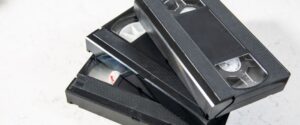
VHS, or Video Home System, was introduced in the late 1970s and quickly became the standard for home video recording. The format’s success was due to its affordability, ease of use, and the ability to be played on the VCR (Video Cassette Recorder). The VCR vs. VHS distinction often confuses many. VHS is the tape format itself, while a VCR is the device that plays these tapes.
Despite technological advancement, the VHS format remains prevalent in countless homes. Due to the broader width of these tapes, preserving them through VHS to digital services ensures cherished memories are maintained.
What Is VHS-C?
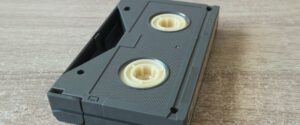
VHS-C stands for Compact VHS. Manufacturers designed the VHS-C cassette for smaller camcorders that could not accommodate full-size VHS tapes. These tapes record the same video signal as standard VHS but use a much smaller cassette.
To play VHS-C tapes, you need a VHS adapter that holds the smaller cassette and fits into a standard VCR. Without the adapter, playback becomes difficult. Many people now choose VHS-C to digital conversion instead of relying on aging adapters and VCRs.
Key Differences Between VHS & VHS-C
Although VHS and VHS-C store the same video signal, their physical formats create practical differences.
- Tape Size: VHS-C cassettes are much smaller than standard VHS tapes.
- Playback Requirements: VHS-C requires an adapter to play in a VCR.
- Recording Use: VHS-C was primarily used in compact camcorders.
- Digitization Needs: Both formats transfer similarly once properly played back.
How Hi8 Improved Video Quality
Hi8 belongs to the 8mm family of video formats and appeared as an improvement over Video8. It delivered noticeably higher resolution and better audio quality than VHS-C. This made it popular among serious hobbyists and independent filmmakers.
When comparing Hi8 vs VHS-C, Hi8 generally offers sharper image detail and improved color reproduction. Digitizing Hi8 recordings preserves that higher-quality signal before analog degradation reduces clarity.
Why MiniDV Marked A Shift To Digital Video
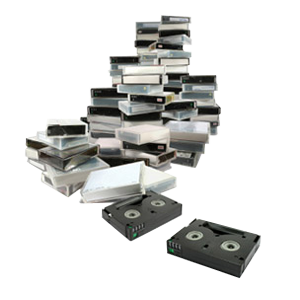
MiniDV stands as one of the most significant advancements in consumer video recording, being one of the first digital formats available to the public. Introduced in the mid-1990s, MiniDV tapes offered superior picture quality, improved sound, and better durability compared to analog formats. These tapes were compact and could be recorded on smaller, more efficient camcorders.
The digital nature of MiniDV means transferring to modern formats is more straightforward, making it an excellent candidate for digitization and preservation. As the format gradually becomes obsolete, MiniDV conversion services ensure these recordings remain accessible and usable long into the future.
Comparing VHS, VHS-C, Hi8 & MiniDV Formats
Each tape format differs in size, quality, and recording technology:
- VHS: Large cassette, analog signal, designed for home recording
- VHS-C: Compact cassette, analog signal, requires an adapter for playback
- Hi8: Small cassette, analog signal, higher resolution than VHS-C
- MiniDV: Small cassette, digital signal, cleaner image and audio
Understanding Size Variations Between VHS Types
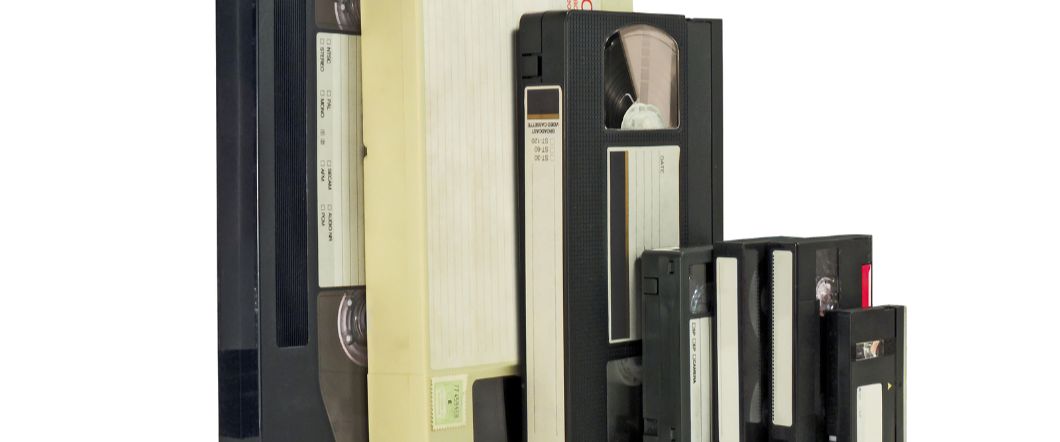
VHS tape size affects storage, playback, and transfer handling. Standard VHS tapes measure significantly larger than VHS-C or Hi8 cassettes. These physical differences explain why some tapes fit directly into a VCR while others require adapters or specialized decks. Knowing the tape size also helps prevent accidental damage caused by forcing the wrong cassette into a player.
Comparing VHS Vs. Cassette
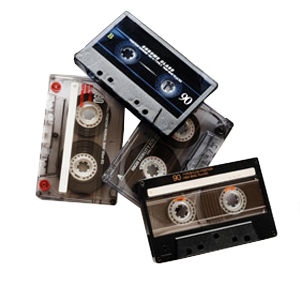
While both VHS and audio cassettes use magnetic tape, their purposes and functionalities differ significantly. VHS tapes are designed for video recording and playback, while cassettes are for audio. Their physical make-up and playback devices also differ; a VCR is for VHS, and a cassette player is for audio tapes.
Understanding these distinctions is crucial for correctly identifying and transferring media formats and avoiding confusion during digitization processes. Recognizing these differences helps ensure each medium is given the correct care and conversion approach.
How To Play VHS-C Tapes Today
To play VHS-C tapes today, you need one of two options. You can use a VHS-C adapter in a working VCR, or you can convert the tapes to digital. As VCRs and adapters become harder to find, digitization offers a more reliable solution. Digitizing VHS-C tapes eliminates playback barriers and protects the footage from mechanical failure.
Benefits Of Converting Legacy Tapes To Digital
Digitizing analog and early digital tapes protects recordings from ongoing degradation:
- Playback Reliability: Digital files work on modern devices.
- Quality Stability: Digital copies stop further tape wear.
- Secure Storage: Files store safely without physical damage.
- Easy Sharing: Digital videos copy and share easily.
Choosing The Right Video Transfer Provider
When selecting a tape transfer service, consider factors such as experience, technology, and customer satisfaction. At DVD Your Memories, we use state-of-the-art equipment and follow thorough processes to ensure superior digital transfers. Additionally, we provide:
- Comprehensive Format Support: Capabilities to handle and convert various tape types, including rare and obsolete formats.
- Quality Assurance: Detailed quality checks to maintain high-definition transfers without compromising original content integrity.
- Customer Guidance: Friendly, informative service to assist with any questions or special requests.
- Secure Handling: Reliable procedures to ensure the safe transport and conversion of valuable tapes, whether mailed in or delivered in person.
Convert Your Legacy Tapes Today
VHS, VHS-C, Hi8, and MiniDV tapes continue to age even when stored carefully. Converting them to digital ensures your recordings remain accessible long after playback equipment disappears. DVD Your Memories provides professional tape transfer services that preserve your footage accurately and safely so your memories remain available for years to come. Contact us today to get started and ensure your VHS, VHS-C, Hi8, and MiniDV tapes are transferred with the care and precision they deserve.