

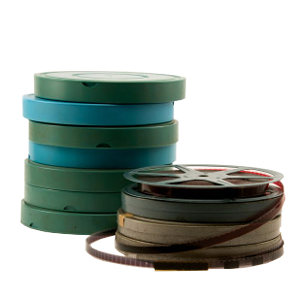



Damaged 8mm film can often be digitized, even when reels from Southern California homes show broken splices, torn film sprockets, surface dirt, or other signs of age. The film’s condition determines how much preparation it needs and how much footage remains recoverable. A careful inspection should come before any attempt to run the reel through transfer equipment.
Some Types Of Film Damage Are Repairable
Minor mechanical damage doesn’t necessarily prevent a film transfer. A technician may be able to reconnect a failed splice, replace damaged leader, or remove a short section that can no longer pass safely through the equipment.
Repair focuses on making the reel stable enough for transfer. It can’t recreate images that disappeared with a missing or destroyed section of film.
- Broken Or Weak Splices
- Missing Or Damaged Leader
- Isolated Tears
- Loose Film On The Reel
- Minor Edge Damage
Torn Film Sprockets Require Careful Handling
Film sprocket holes guide the reel through projectors and transfer equipment. When those openings tear, stretch, or disappear, the transport mechanism may lose its grip on the film.
Damage to a few film perforations may only affect a short portion of the transfer. Widespread damage creates a greater risk because the film may slip, jump, or tear again under tension. A technician needs to assess whether the affected section can move through the equipment safely.
Broken Splices Can Usually Be Reconnected
Splices connect separate pieces of film and often weaken as adhesive dries or ages. A failed splice may cause the reel to separate into two pieces even when the surrounding images remain intact.
An 8mm film repair can remove the old adhesive or damaged edge and create a new connection. This process may sacrifice a small amount of material near the break, but it can allow the remaining footage to pass through the transfer equipment.
Multiple failed splices may indicate that the entire reel needs closer inspection. Repairing only the first visible break could leave another weak connection farther into the film.
Age-Related Decay Can Limit Recovery
Structural deterioration related to the age of the 8mm film presents a different problem from an isolated tear. Film may shrink, curl, buckle, become brittle, or develop a vinegar-like odor. These changes can make the reel difficult or unsafe to transport through standard equipment.
Severe damage may prevent a complete transfer. Even when a technician can digitize part of the reel, the resulting video may contain jumps, missing frames, fading, or distortion where the physical film has deteriorated.
- Brittleness & Cracking
- Significant Shrinkage
- Buckling Or Warping
- Emulsion Loss
- Advanced Vinegar Syndrome
Professional Inspection Comes Before Digitization
A technician should examine the reel before beginning an 8mm film-to-digital transfer. The inspection identifies weak areas that could fail during cleaning or transport.
Film may also contain old tape, residue, uneven winding, or damaged reel components. Addressing these issues first reduces strain and helps the reel move more consistently during capture.
- Confirm The Film Format
- Inspect Splices & Perforations
- Check For Shrinkage Or Brittleness
- Remove Surface Dust & Residue
- Repair Transferable Sections
Image Damage Remains Visible After Transfer
Repairing the film structure and restoring the image are separate tasks. A new splice can reconnect a broken reel, but it won’t remove scratches or rebuild a damaged frame.
Digital adjustments may improve brightness, color, and contrast when usable image information remains. They can’t fully restore detail lost through deep scratches, water damage, emulsion loss, or severe fading.
Set expectations based on the reel’s actual condition. The transfer may preserve imperfect footage rather than return it to its original appearance. For family films, that partial recovery can still retain people, places, and events that exist nowhere else.
Avoid DIY Repairs With Household Tape
Clear household tape may look like an easy way to reconnect film, but its adhesive and thickness can create problems during transfer. A poorly aligned repair may catch inside the equipment or cover nearby film perforations.
Avoid cleaning the reel with water, household solvents, or general-purpose sprays. Film stocks and types of contamination require different handling. An unsuitable cleaner can damage the emulsion or leave residue across the image area.
Protect Fragile Film Before Transfer
Limit handling once you discover damage. Don’t unwind the reel to inspect every section, since brittle film can crack under light tension. Hold reels by their edges and keep loose sections from dragging across surfaces.
Store the film in a cool, dry location while arranging the transfer. Keep a reel with a vinegar-like odor separate from unaffected film and tell the transfer provider about its condition before delivery or shipping.
- Don’t Run The Reel Through A Projector
- Keep Loose Film Off The Floor
- Save Detached Film Sections
- Separate Reels With A Vinegar Odor
- Describe Known Damage Before Transfer
Preserve Recoverable Footage Before Damage Progresses
Physical film doesn’t become stronger with age. A reel that remains transferable today may become harder to handle as weakened splices, film perforations, and the film base continue to deteriorate.
Digitization creates a version you can view without repeatedly running the original reel through mechanical equipment. It also makes the footage easier to duplicate, organize, and share with relatives.
Arrange An 8mm Film Transfer
DVD Your Memories inspects, cleans, and prepares 8mm and Super 8 reels before transfer, including reconnecting damaged or weak splices when possible. You can bring your film to a Southern California location or use the mail-in service if you live elsewhere. Contact us to have your damaged 8mm film evaluated and converted to digital.