

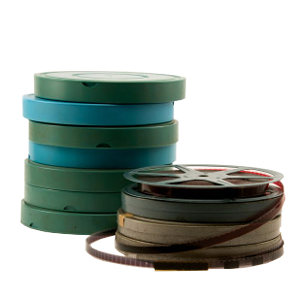


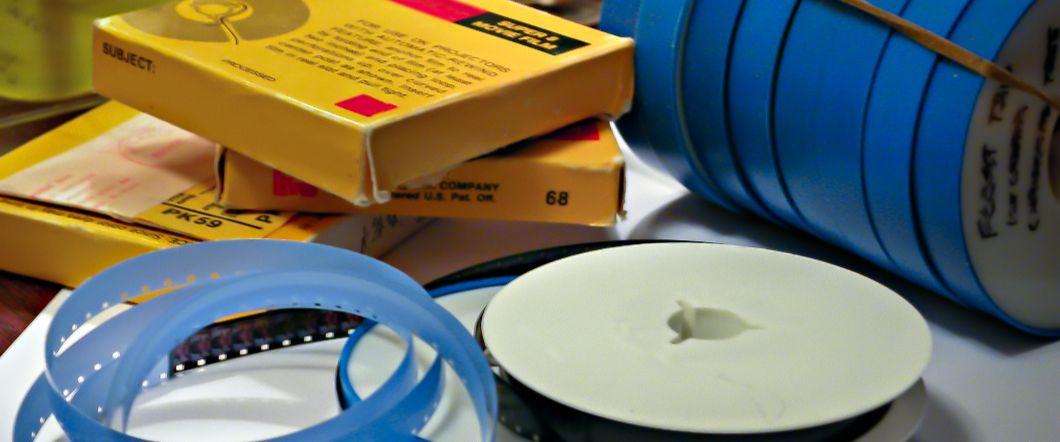
Storing 8mm film too long before converting it to digital can lead to permanent damage, especially in Southern California, where heat and environmental exposure accelerate film aging. Over time, film deterioration affects image quality, structure, and playback, making a quick 8mm film to digital transfer one of the most important steps in preserving your memories.
Understanding Film Deterioration & Why It Happens
8mm film naturally breaks down over time due to chemical instability and environmental exposure. Even when stored carefully, aging film materials begin to weaken, fade, and lose structural integrity.
This process affects both the physical film base and the image layer, which means deterioration impacts playback, clarity, and long-term usability. Southern California’s fluctuating temperatures and dry conditions can make certain issues worse, especially when films sit untouched for years.
Common Film Decay Issues That Damage Your Footage
When film sits too long before transfer, several forms of damage begin to appear. These issues often overlap, making recovery more difficult over time.
Acetate Film Decay Weakens Film Structure
Acetate film decay breaks down the film base over time, causing curling, stiffness, and structural instability. As deterioration progresses, the film becomes harder to handle and more prone to damage during playback or transfer.
Vinegar Syndrome Signals Advanced Chemical Breakdown
Vinegar syndrome produces a strong acidic odor and indicates active chemical deterioration. This condition accelerates film shrinkage and brittleness, making the film increasingly fragile and difficult to preserve.
Film Shrinkage Prevents Safe Playback
Film shrinkage occurs when environmental changes cause the film to contract. Even minor shrinkage can prevent proper alignment in projectors or scanners, increasing the risk of tearing during handling.
Brittle Film Increases Risk Of Breakage
As film ages, it loses flexibility and becomes brittle. This makes it more likely to crack, snap, or break during transport, inspection, or digitization.
Warped Film Reels Create Handling Issues
Warped film reels result from improper storage or prolonged stress on the film. Warping causes uneven movement through equipment, which can damage both the film and playback systems.
Color Fading Reduces Image Quality
Color-fading film loses vibrancy as dyes break down from light exposure and oxidation. Over time, images appear washed out, with reduced contrast and detail.
Exposure Loss Diminishes Visual Clarity
Exposure loss leads to darker, softer images that lack definition. The gradual decline makes it harder to recover detail, even during professional restoration.
Dust Contamination Interferes With Playback
Dust contamination film occurs when particles settle on the film surface. These particles create visual noise, scratches, and interruptions during playback or scanning.
Moisture Damage Leads To Mold & Emulsion Breakdown
Moisture damage film develops in humid conditions, allowing mold to grow and damaging the emulsion layer. This type of deterioration can permanently destroy sections of footage.
Improper Film Storage Accelerates All Damage
Improper film storage exposes reels to heat, humidity, and air, accelerating every form of film deterioration. Poor storage conditions compound existing issues and shorten the lifespan of your film.
Warning Signs Your Film Is Already Aging
You can often spot early signs of film aging before major damage occurs. Catching these signs early gives you a better chance of preserving your footage through digitization.
- Odor: A vinegar-like smell signals chemical breakdown and acetate decay.
- Discoloration: Faded or shifted colors indicate emulsion damage.
- Physical Distortion: Curling, warping, or stiffness shows structural instability.
How Improper Storage Accelerates Film Aging
Storage conditions directly impact how quickly film deterioration develops. Even small environmental changes can compound over time.
Heat speeds up chemical reactions within the film base. Humidity introduces moisture that promotes mold and warping. Air exposure contributes to oxidation, which fades colors and weakens the emulsion.
Many people store film in garages, attics, or closets without climate control. These spaces often experience temperature swings that accelerate decay. Once damage begins, it continues even if conditions improve.
How To Slow Down Film Deterioration Before Transfer
While you cannot stop film aging entirely, you can slow it down with proper handling and storage.
- Cool Storage Conditions: Keep film in a stable, cool, and dry environment.
- Archival Storage Containers: Use ventilated, film-safe containers to reduce exposure.
- Routine Inspections: Check reels periodically for early signs of damage.
- Limit Handling: Reduce unnecessary contact to prevent scratches and tears.
Why Early 8mm Film To Digital Conversion Matters
Waiting too long to convert film increases the risk that the footage becomes unreadable. Once shrinkage, brittleness, or severe fading occurs, recovery becomes limited or impossible.
Digitizing your film preserves it in its current state and prevents further degradation. It also allows you to view, share, and back up your memories without risking damage to the original reels.
Professional transfer services like DVD Your Memories go beyond simple conversion. We stabilize footage, correct color fading, and improve clarity, so your memories look their best in digital form.
What Happens During Professional Film Transfer
A professional 8mm film-to-digital process protects fragile film while maximizing quality. Each step ensures your footage transfers safely and accurately.
- Initial Inspection: Technicians evaluate film condition before handling.
- Cleaning: Specialized methods remove dust and debris from the surface.
- Repair: Tears, broken splices, and sprocket issues are fixed.
- High-Resolution Scanning: Frames are captured digitally with precision.
- Restoration Adjustments: Color, exposure, and stability are improved.
- Digital Formatting: Files are delivered in formats suited for modern devices.
Choosing A Film Transfer Service You Can Trust
Not all transfer services handle aging film properly. Selecting the right provider makes a major difference in the outcome.
Look for experience with fragile film, professional-grade scanning equipment, and restoration capabilities. Reviews and sample work can help confirm quality and consistency.
Customization also matters. You may want different output formats—like getting your film transferred onto an archival quality DVD—editing options, or enhancements, depending on how you plan to use your footage.
Protect Your Film Before It’s Too Late
Old film preservation becomes more difficult with every passing year. If your reels show signs of film deterioration, delaying transfer increases the chance of permanent damage or total loss.
DVD Your Memories helps you protect your footage with professional 8mm film to digital services, including convenient mail-in options. If you have aging film stored away, now is the time to act. Stop by one of our Southern California locations to start your transfer and preserve your memories before they fade beyond recovery.