





Understanding 8mm vs Super 8 film is important when converting old home movies to digital. Many families across Southern California have reels of film but are unsure which format they have or how to digitize them properly. Knowing the difference between 8mm and Super 8 film helps you choose the right equipment or 8mm film conversion service when preserving your footage.
What Is 8mm Film & What Does It Look Like?
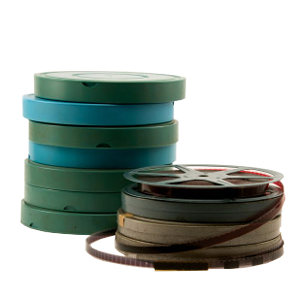
Standard 8mm film, often called Regular 8, was introduced in the 1930s and became a popular format for home movies. Families used it to capture vacations, birthdays, and everyday moments using small film cameras that recorded footage onto narrow reels.
- Film Width: Standard 8mm film measures roughly 8 millimeters across.
- Larger Sprocket Holes: Perforations along the edge of the film are relatively large.
- Smaller Image Frame: Larger perforations reduce the image area in each frame.
- Reel Loading: Cameras and projectors require manual threading of film reels.
- Silent Recording: Most Regular 8 film recordings do not contain sound.
Understanding The Super 8 Film Format
Kodak introduced the Super 8 format in 1965 as an improved version of the original 8mm system. It gave families an easier way to record home movies while improving image quality at the same time. Super 8 film kept the same approximate 8 millimeter width, but it used smaller sprocket holes that created more space for the image frame. The format also used a cartridge system instead of manual threading, which made cameras easier to load and simpler for families to use.
Does Super 8 Film Have Sound?
A common question during film digitization is whether a reel contains audio. Some Super 8 films do have sound, but that depends on the type of film used. Certain Super 8 reels include a magnetic sound stripe that records audio alongside the image. Many reels are silent, while sound reels require a compatible projector plus transfer equipment built to capture audio during conversion.
Super 8 Vs 8mm Differences
The difference between 8mm and Super 8 becomes clearer when comparing the physical film structures. It also becomes clear when looking at how the formats were used in cameras and projectors.
- Frame Size: Super 8 has a larger image frame because the sprocket holes are smaller.
- Film Loading Method: Regular 8 requires manual threading, while Super 8 uses cartridges.
- Image Quality: Super 8 produces sharper footage because the frame captures more image area.
- Camera Technology: Manufacturers built Super 8 cameras to be easier for consumers to use.
- Production Era: Regular 8 was common earlier, while Super 8 dominated later decades.
How To Play Super 8 Film & Regular 8mm Film
Many people try to watch their reels before converting them to a digital format. Playing film safely requires the correct projector and careful handling. Make sure the projector supports the specific film format before you begin. Thread the film properly, set the projector to the correct speed, and inspect the film path for dust or debris before playback. Handle each reel carefully during playback, especially if the film feels brittle with age. Older film can tear more easily, so careful setup matters before you press play.
What To Know About Converting Super 8 Film & 8mm Film
Digital conversion protects aging film reels and makes the footage easier to watch on modern devices. Film scanning equipment captures each frame and converts it into a digital video file. For the best results, many families choose a professional 8mm and Super 8 film transfer service to ensure accurate color, clarity, and safe handling of aging reels.
- Film Inspection: Reels are checked for damage or deterioration.
- Film Cleaning: Dust and debris are removed before scanning.
- Frame By Frame Capture: Each frame of film is digitally scanned.
- Color & Exposure Correction: Digital processing improves brightness and color.
- Digital File Creation: Footage is exported to modern video formats.
Preserve Your Film Memories With Professional Conversion
Old film reels capture moments that cannot be recreated, from family gatherings to historic events recorded decades ago. Converting Super 8 film to digital or transferring 8mm film to digital protects those memories before the film becomes fragile or difficult to play. If you have reels that need preservation, DVD Your Memories offers professional 8mm film conversion service to digitize your home movies so you can enjoy them again.