


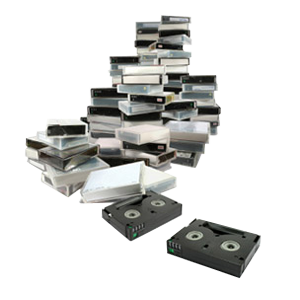


If you’ve found old Beta tapes and want to digitize them, understanding the difference between Betacam vs Betamax matters more than you may realize. Although the names sound similar, these formats were built for very different purposes. Knowing which tapes you have helps determine whether they can still be digitized today and what kind of equipment is required to preserve the footage.
The Origins Of Betamax
What is a Betamax, you may ask? Originally introduced by Sony in 1975, Betamax tapes were designed as an ideal consumer video recording format. This technology promised superior picture quality compared to the then-dominant VHS format. Betamax faced off against VHS in a well-documented format war, and while many customers still convert VHS tapes today, some also discover they have Betamax recordings.
- Developed By Sony: Released in 1975, aiming for home video recording superiority.
- Format War Participant: Engaged in competition with VHS, ultimately losing consumer market dominance.
- Quality Advantage: Famed for higher resolution and better sound quality compared to early VHS tapes.
- Size Differences: Betamax tapes were smaller, allegedly more convenient, but offered shorter recording times than VHS.
The Rise & Fall Of Betamax
Despite its advantages, Betamax didn’t secure a long-term market foothold. The Betamax machine has since become a relic of the past, with many of its key features still reminisced by video format enthusiasts.
- VHS Victory: VHS’s longer recording time was favored for extended TV show recordings, tipping consumer preference.
- Cost Factor: Betamax units were initially more expensive, deterring cost-conscious buyers.
- Content Availability: VHS garnered more support from movie studios, offering a broader selection of titles.
- Manufacturing Choices: Wider adoption by manufacturers of VHS provided more choice and lower prices for consumers.
Understanding Betacam Tapes
Betacam is not a consumer format. Sony developed Betacam for professional video production, including broadcast television, news-gathering, and studio work. These tapes were built for reliability, higher quality, and demanding production environments.
Betacam SP tapes, introduced later, improved video resolution and audio performance even further. For many years, Betacam became a broadcast industry standard. Unlike Betamax, Betacam required professional cameras and decks, which is why it remained in use long after consumer Beta formats faded.
Key Differences Between Betamax & Betacam
Despite the similar naming, Betamax and Betacam cater to different audiences with distinctive characteristics.
- Target Audience: Betamax targeted consumers, while Betacam focused on professionals.
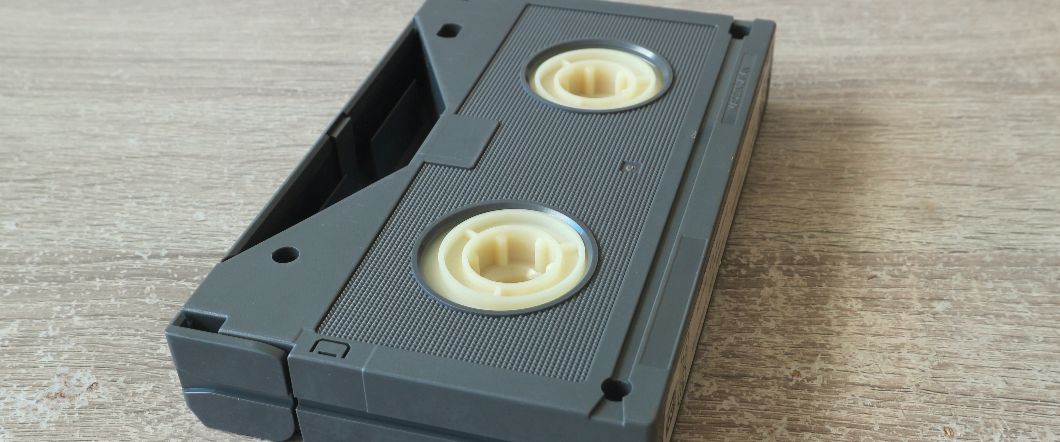
- Tape Design: Betacam tapes were bulkier, catering to industrial needs, unlike the compact Betamax tapes.
- Quality & Performance: Betacam consistently delivered better quality, crucial for professional broadcasting.
- Camera Compatibility: Betamax used consumer cameras, whereas Betacam required professional-grade equipment.
Can You Still Digitize Betamax Tapes Today?
Yes, you can still digitize Betamax tapes, even though the format is obsolete. The biggest challenge is access to working Betamax machines, which are no longer manufactured. Professional digitization services, like DVD Your Memories, maintain and service legacy equipment specifically for this purpose. Tape condition also matters. Older Betamax tapes may suffer from signal degradation or physical wear, but professional transfer processes can often recover usable footage.
Can You Digitize Betacam & Betacam SP Tapes?
Betacam tapes, including Betacam SP tapes, are commonly digitized for archival and professional use. Because these tapes were often stored in controlled environments, they tend to age better than consumer formats. That said, playback still requires specialized equipment and technical experience. Digitizing Betacam footage and converting Betacam SP tapes allows studios, journalists, and content owners to preserve valuable material before tapes deteriorate further.
Why Digitizing Beta Tapes Still Matters
Despite the obscure status of Beta formats today, digitizing these tapes into modern digital formats holds some compelling advantages.
- Time Resilience: Digital copies on USB or in the cloud are immune to storage-related deterioration faced by the analog tapes.
- Editing Flexibility: Digitized copies can be easily edited, enhanced, and shared with distant relatives or professional networks.
- Preserved Quality: Optimized conversion results in excellent quality retention suitable for both personal and professional archival needs.
- Space Efficiency: Reclaim physical space by converting expansive tape collections into compact digital storage.
Preserve Your Betamax & Betacam Footage With DVD Your Memories
Whether you have Betamax tapes of those treasured family gatherings or Betacam footage from professional productions, now is the time to safeguard those memories. Ensure your tapes are preserved for future generations with our video transfer services conveniently available across Southern California. Don’t let time fade your invaluable footage. Reach out to our experts today for a seamless and reassuring tape-to-digital transformation.