




Tapes with sticky-shed syndrome may still offer a path to digitization, including family recordings you’ve stored for decades. The most important thing you can do to improve your chances of preserving your recordings is to stop playback as soon as problems appear.
What Sticky-Shed Syndrome Does To Magnetic Tape
Magnetic tape uses a binder to hold its recording particles together and attach them to a supporting film. Certain binder formulations deteriorate over time and develop a sticky surface.
During playback, the affected coating may leave residue on the machine’s heads and guides. This buildup interferes with playback and may damage the layer holding your recording.
A tape doesn’t need to snap for binder breakdown to threaten its contents.
Recognize Problems Without Repeated Playback
Several warning signs can indicate a sticky or deteriorating tape. You may have already noticed one or more of these problems.
- Squealing During Playback
- Slowed Or Jerky Tape Movement
- Gummy Residue On Playback Heads Or Guides
- Tape Layers Sticking Together
If you’ve noticed these signs, stop playback rather than running the tape again to confirm the problem. Avoid pulling stuck layers apart.
These symptoms don’t establish the cause on their own. Equipment faults and other forms of deterioration can produce similar problems, making assessment important before another playback attempt.
Why Assessment Comes Before Tape Baking
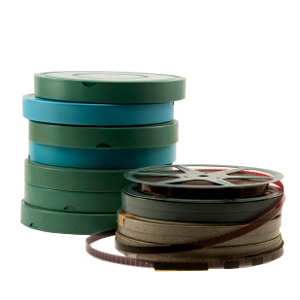
A damaged reel-to-reel tape doesn’t automatically need heat treatment. Different tape formulations develop different problems, and some sticky tapes don’t respond to baking.
Acetate-based tapes require particular caution because baking isn’t appropriate for them.
A preservation assessment should identify the tape’s materials and condition before selecting a treatment. The brand name on an old box offers a clue, but it doesn’t establish what tape someone placed inside.
How Tape Baking Helps Some Recordings
Tape baking uses controlled heat to temporarily improve the playability of certain affected tapes. It doesn’t permanently rebuild the binder or make the tape suitable for regular listening again.
The Library of Congress has studied this treatment and emphasizes the importance of tightly controlled equipment. There’s no universal baking recipe for every recording, so a household oven or improvised heater isn’t a suitable substitute for professional treatment equipment.
What A Sticky-Shed Tape Transfer Involves
Before transferring a tape with sticky-shed syndrome, a specialist checks its condition to see whether treatment could help. They also choose playback equipment suited to the tape and check whether it can move through the machine safely.
As the recording is digitized, the specialist watches for sticking, shedding, or residue buildup that could mean playback needs to stop. The goal is to preserve as much of your recording as possible without risking further damage through repeated attempts. Once the transfer is complete, they review the digital copy and note any gaps or other problems.
Does Sticky-Shed Syndrome Affect VHS Tapes?
Sticky-shed syndrome isn’t exclusive to open-reel audio. VHS tapes also use binders, and binder deterioration may cause shedding or playback resistance. However, a noisy picture or a cassette that won’t move doesn’t prove sticky-shed syndrome.
VHS playback problems also involve the cassette mechanism and the VCR itself. Don’t apply reel-to-reel baking advice to a VHS cassette without a format-specific assessment.
Incorrect treatment may cause further loss.
Prepare Your Tape For An Assessment
Keep your tape in its box or case, and don’t try to pull apart any layers that are stuck together. Before an assessment, gather what you know about the recording and how it’s been stored.
- Tape format and any brand information on the reel or box.
- Approximate recording date and descriptions of the contents.
- Known storage conditions, including exposure to heat or moisture.
- Playback problems you’ve already noticed.
- Previous repairs, treatments, or transfer attempts.
You don’t need to know every detail before requesting an assessment. Save the original labels and notes, and share what you know without playing the tape again to fill in gaps.
Separate Tape Treatment From Audio Restoration
Physical treatment helps make playback possible. Audio tape restoration addresses the sound after a successful capture, such as reducing distracting noise or adjusting uneven levels. These processes serve different purposes, and neither guarantees a flawless recording.
Keep A Preservation Copy After Digitization
Once your tape has been digitized, save an unedited copy before any cleanup or noise reduction. For audio recordings, ask for a lossless file, such as WAV, to preserve the quality of the transfer. You can keep smaller copies for everyday listening and sharing. Make backup copies and keep them in more than one location so you aren’t relying on a single device.
Hold on to the original tape and any labels or notes, too. Those details can help your family recognize the voices, remember when the recording was made, and understand the story behind it.
Discuss Your Tape’s Condition Before Transfer
If you suspect sticky-shed syndrome, contact DVD Your Memories before bringing or mailing your recording to our Southern California team. We offer reel-to-reel transfer and audio restoration services, and we’ll discuss whether your tape needs further assessment before transfer.